
Coastal Stormwater Issues
Stormwater runoff is a significant source of water pollution and a threat to the health of waterways across the country. However, it is a complicated problem for communities to manage, because of the engineering and financial challenges associated with stormwater.
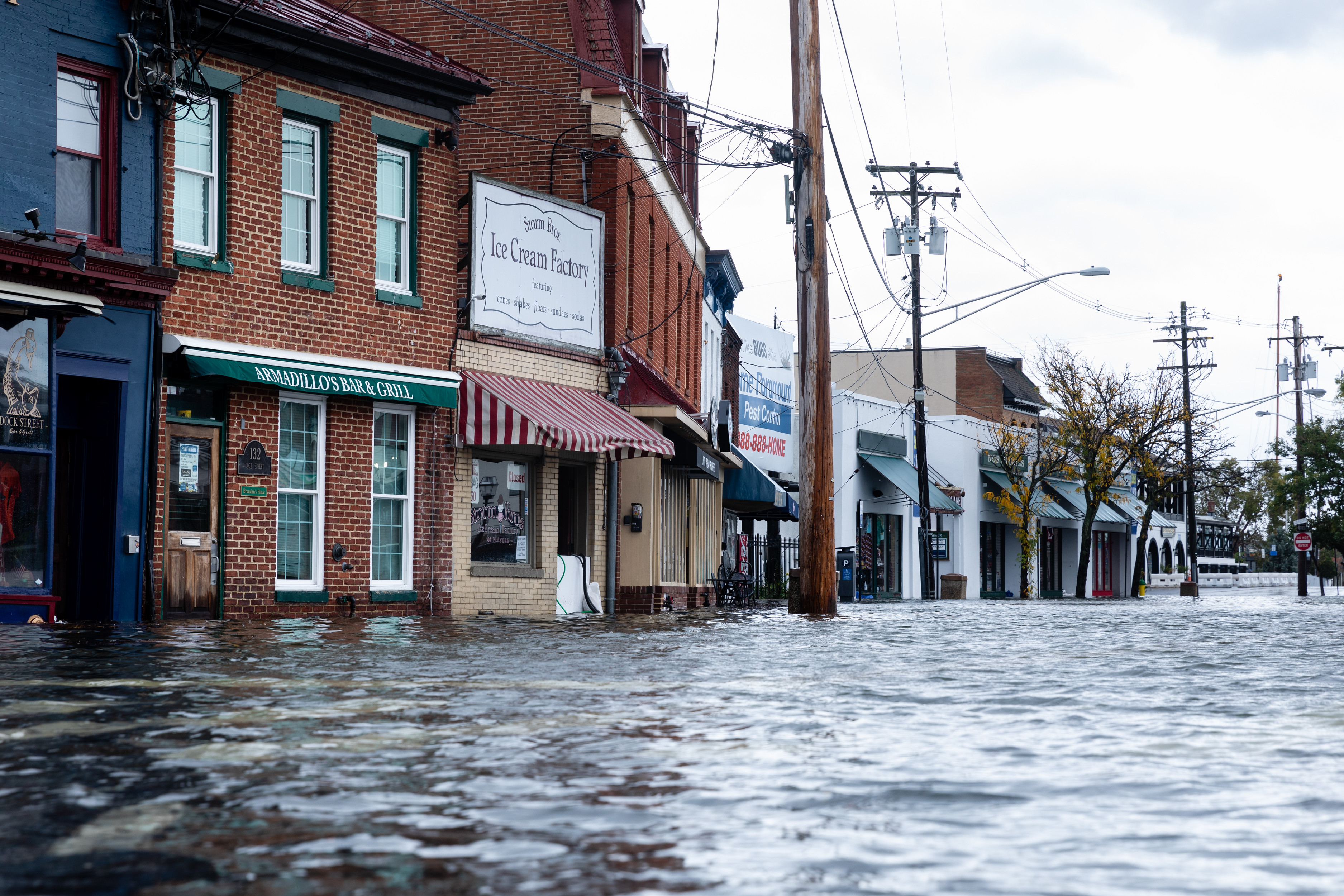
In coastal communities, shallow water tables, flat topography, tidal influence, and saltwater intrusion can present additional challenges with adequately managing stormwater runoff. These challenges are exacerbated by changing precipitation patterns and sea level rise, increasing risks for people, property, and infrastructure. Low-lying coastal areas are particularly vulnerable, with the combination of short-duration, high-intensity rainfall events and low-lying outfalls submerged during high tides combining to inundate the sewer network and increase flood occurrence.
Understanding stormwater best management practice (BMP) performance and selecting appropriate BMPs in coastal environments is particularly challenging due to the above concerns. The problems will continue to grow, as the southeast is also the region with the highest projected urban growth over the next 30 years.